It's a mismatch
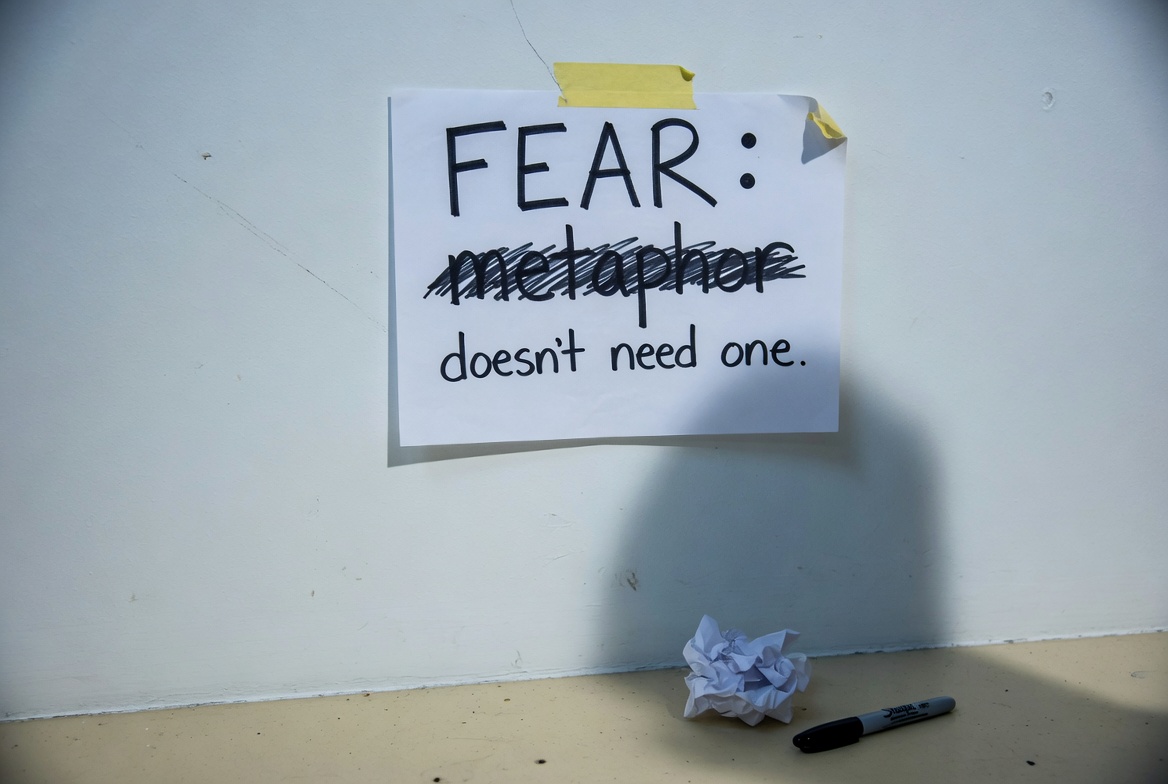
Fear Doesn't Need a Metaphor
It's a mismatch
It's a mismatch
Fear Doesn't Need a Metaphor
Most writing about fear tries to make it beautiful. Dress it up as a dance partner, a forest path, a threshold moment. As if the problem is that you haven't found the right image for it yet.
You have. You know exactly what fear feels like. It feels like not doing the thing.
What fear actually is
The brain doesn't distinguish cleanly between fear and excitement. Same physiological response — elevated heart rate, sharpened attention, a body bracing for what comes next. The difference is almost entirely interpretive. You decide, mostly unconsciously, whether the signal means danger or possibility.
That's not a motivational insight. It's just how the wiring works. The same mechanism that kept early humans away from predators is the one that keeps you from sending the email, starting the project, saying the thing out loud. The brain is running old software on new problems, and it hasn't gotten the update yet.
The result isn't cowardice. It's a mismatch — between the situation in front of you and the threat-response it triggers anyway.
On the five things
There's a version of this that comes packaged as a system — five steps, a framework, a method. That version is easier to sell. It's also less true.
What actually moves people past fear tends to be simpler and less glamorous:
You have to name it specifically. Not I'm afraid of failure — that's too broad to be useful. What failure, exactly? In front of whom? Under what circumstances? The more precise the fear, the less power it tends to hold. Vague dread is harder to argue with than a specific worry you can actually examine.
You have to reduce the scale of the first move. Not because small steps are inherently wise, but because the brain processes novelty as threat. Familiarity lowers the alarm. The goal isn't to trick yourself into action — it's to make the unfamiliar incrementally less unfamiliar until the response recalibrates.
You have to stop treating setbacks as data about your potential. A failed attempt tells you something about that attempt. It tells you almost nothing reliable about what you're capable of. People conflate the two constantly, and it costs them years.
You need people around you who've done hard things. Not cheerleaders — people with actual scar tissue. They're useful not because they'll encourage you, but because their existence proves the thing is survivable.
And at some point, you have to extend yourself the same basic logic you'd offer anyone else in the same situation. You wouldn't tell a friend that one bad outcome defines them. The standard shouldn't change because the person is you.
What doesn't help
Inspiration, mostly. The feeling of being ready. Waiting for the fear to go away before moving. It doesn't go away — it just becomes more familiar, which is a different thing.
The people who get to the other side of fear aren't the ones who stopped feeling it. They're the ones who moved anyway and discovered, incrementally, that they could.
That's less poetic than a dance floor metaphor. It's also more honest.
Curated essays, interviews, and creative work—explore thoughtful writing and media for a more considered life.

![[headshot] image of satisfied student using a laptop](https://cdn.prod.website-files.com/69c46a43577166047b79ace8/69d1783e77f41302a3013235_4EE565A1-7A53-4901-862E-A7848741B5EF.JPG)