The smallest visible step
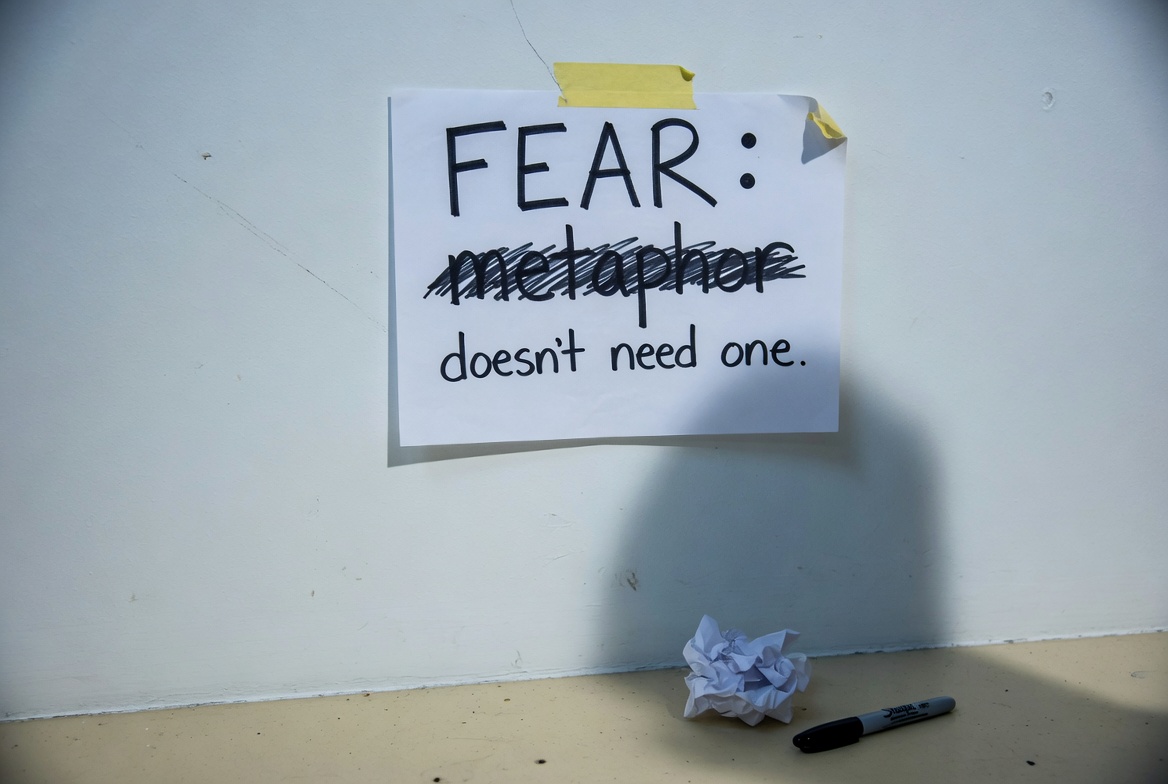
The Knot in Your Stomach Is Not a Warning
The smallest visible step
The smallest visible step
People ask me some version of this question more than almost any other: how do you stand at the edge of something new — a job, a relationship, a version of your life you can't quite see yet — without being consumed by the fear of it?
It's a good question. Honest. The kind people only ask when they're actually standing there.
What the brain is actually doing
The mind is a loyal, overprotective bodyguard. It was built for certainty — pattern recognition, threat detection, the constant low hum of is this safe? When you step toward something unknown, it doesn't see possibility. It sees a dark alley. And it will work very hard to route you around it.
This isn't a flaw. It's the system working exactly as designed. The problem is the design is old — calibrated for physical danger, not for the particular terror of becoming someone you haven't been yet.
The fear is real. That part isn't the issue. The issue is what you build around it.
Own the story before your brain writes it for you
The mind left to its own defaults will always draft the worst version of what happens next. It's not pessimism — it's risk management. But you can interrupt it.
Before the fear narrative sets in, ask a different question: if this next chapter goes well — genuinely well — what does it look like a year from now? Not the fantasy version. The real, earned version. Sit with that. Let it have some weight. That's not positive thinking. That's just refusing to let anxiety be the only author in the room.
Name the fear specifically
Anxiety lives in abstraction. What if I fail. What if I'm alone. What if it doesn't work. These feel enormous because they're formless — shadows in a dark room that could be anything.
Turn on the light. A fear like what if I end up alone isn't actually one thing. It's a cluster of specific, addressable concerns. What does alone mean, exactly? In what context? At what point? When you break it down that far, most fears stop being monsters and start being problems. Problems have solutions. Monsters just have dread.
You're not starting over
Fear tells a particular lie at moments of transition: that becoming something new requires demolishing what you already are. That you have to burn the old version down to build the next one.
It's not true. Every skill you developed, every difficulty you survived, every time you showed up when it would have been easier not to — that's all still there. You're not starting from zero. You're building on what already exists. The foundation doesn't disappear because the structure above it is changing.
The smallest possible move
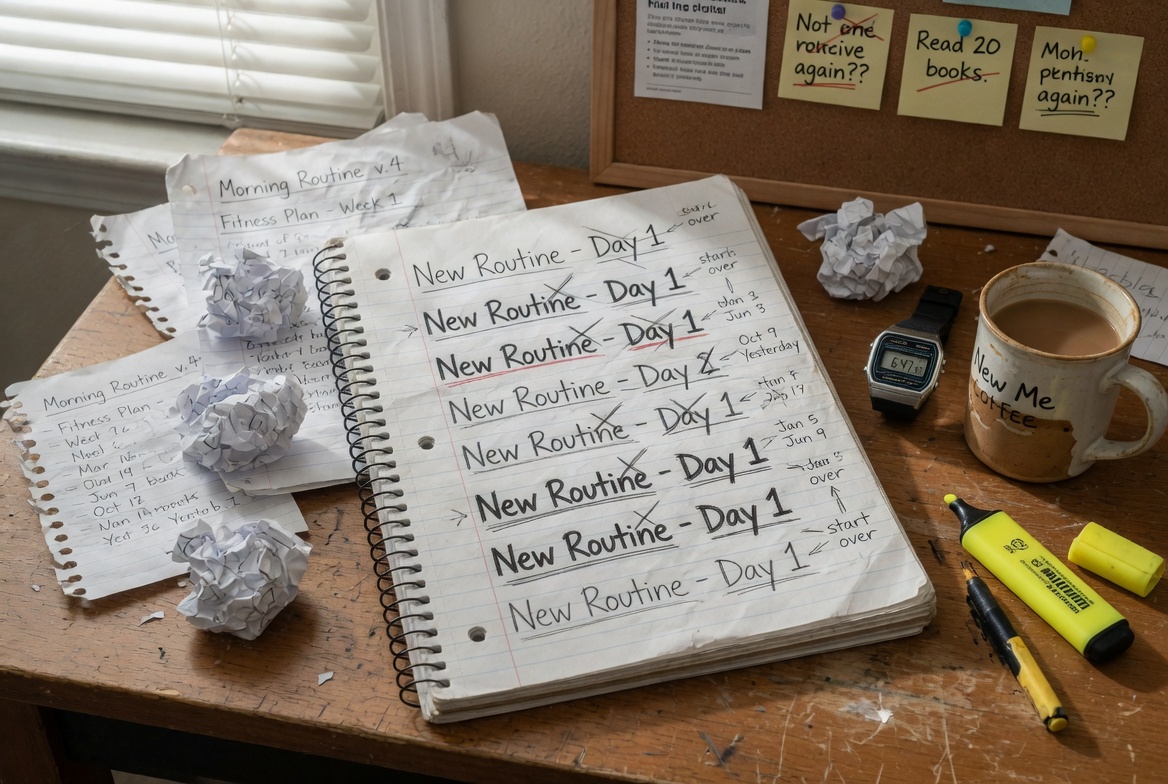
At some point the thinking has to stop and something has to happen. Not a grand gesture — just the smallest visible step. One message. One sentence written. One thing done in the next twenty-four hours that wasn't done before.
The first move is always the hardest because the door is heavy. But once it moves an inch, the weight shifts. That's not metaphor — that's just how momentum works. Small action doesn't resolve the fear. It just proves to you that you can move despite it. Which is the only proof that actually matters.
Every transition is a threshold. The fear is just what thresholds feel like. It doesn't mean turn back. It means you're at the edge of something that's actually worth doing.
Curated essays, interviews, and creative work—explore thoughtful writing and media for a more considered life.

![[headshot] image of satisfied student using a laptop](https://cdn.prod.website-files.com/69c46a43577166047b79ace8/69d1783e77f41302a3013235_4EE565A1-7A53-4901-862E-A7848741B5EF.JPG)